Planning a kitchen layout is one of those projects where spending an extra hour with a tape measure and a pencil pays dividends for years. A well-designed kitchen layout keeps you moving efficiently, minimizes wasted steps, and makes cooking, and cleaning, feel less like a chore. Whether you’re renovating from scratch or reconfiguring an existing space, understanding how workflow, appliance placement, and storage interact is the foundation of kitchen layout planning. This guide walks you through the principles and practical steps to design a kitchen that works as hard as you do.
Table of Contents
ToggleKey Takeaways
- A well-designed kitchen layout planning strategy centers on the work triangle principle, keeping the sink, stove, and refrigerator within 4 to 9 feet of each other and a total perimeter not exceeding 26 feet to minimize wasted movement.
- Galley, L-shaped, and island kitchens each serve different spaces, with islands requiring at least 12 by 15 feet and 3 feet of clearance on all sides to function effectively without cramping traffic flow.
- Accurate measurements and scaled drawings are essential before starting any kitchen renovation, including appliance dimensions, plumbing locations, electrical outlets, and load-bearing walls to avoid costly changes later.
- Group storage by use—keeping baking supplies near the mixing zone and cooking utensils within arm’s reach of the stove—reduces backtracking and improves cooking efficiency throughout your workflow.
- Appliance placement, particularly the cooktop at least 3 feet from corners and the refrigerator at the end of a cabinet run, creates an efficient workflow and prevents heat and traffic issues.
- Layer your lighting with ambient, task, and accent fixtures, install a range hood vented outside with at least 600 CFM, and plan utility runs early to avoid expensive rework and code violations.
Understanding Kitchen Work Triangles and Traffic Flow
The kitchen work triangle, connecting the sink, stove, and refrigerator, is a time-tested principle that still holds weight today. The idea is simple: these three zones form your primary work stations, and keeping the distance between them manageable reduces unnecessary movement. A well-proportioned triangle should have each leg measuring 4 to 9 feet, with a total perimeter not exceeding 26 feet. If distances stretch beyond that, you’re burning energy on footsteps instead of cooking.
Traffic flow is equally critical. Consider where household members move through the kitchen: from the entry door to the dining area, or from the garage to the pantry. A good layout doesn’t force people to squeeze past you while you’re prepping at the counter. Walk-throughs should stay clear of the work triangle whenever possible. If your kitchen sits between two living areas, placing the island slightly off-center rather than dead-center keeps paths open without sacrificing workspace. Think about how your kitchen connects to the rest of your home, and plan accordingly.
Common Kitchen Layouts and Which One Fits Your Space
Galley, L-Shaped, and Island Kitchens
Most home kitchens fall into a handful of proven layouts, each with strengths and trade-offs.
Galley kitchens run parallel on two walls, with work stations and appliances facing each other. They’re efficient for single cooks and compact spaces, but two people working at once can feel cramped. Galley layouts excel in apartments and narrow rooms where you can’t expand outward.
L-shaped kitchens use two adjacent walls, forming a corner. This layout works well for mid-size spaces, offers two distinct work zones, and keeps traffic separate from the prep area. The corner can sometimes feel awkward for appliance placement or deep cleaning, but overall, it’s one of the most flexible configurations.
Island kitchens add a freestanding or semi-attached counter in the center, creating a hub for prep work, seating, or storage. Islands work best in larger kitchens (at least 12 by 15 feet) where you can maintain clearance on all sides, typically 3 feet minimum for movement, more if you’re planning seating. Islands break up the work triangle and add counter space, but they demand thoughtful plumbing and electrical runs if you’re installing a sink or cooktop. Resources like The Kitchn offer visual examples of how different layouts maximize both form and function. Other popular shapes include U-shaped, peninsula, and single-wall layouts, each suited to different room dimensions and household needs.
Measuring and Mapping Your Kitchen
Before you move a single appliance or buy a single cabinet, get accurate measurements. Grab a 25-foot tape measure, a notepad, and sketch out your kitchen to scale (1/4 inch = 1 foot is standard for kitchen drawings).
Measure wall-to-wall length and depth, ceiling height, and mark every window, door, and opening. Note which walls are load-bearing (usually perpendicular to floor joists) if you’re considering removing or adding walls, load-bearing work requires an engineer and a permit. Document existing plumbing and electrical: water lines, drain stacks, and outlet locations. Moving these utilities costs money and sometimes frustration: planning around them saves both.
Record appliance dimensions. Your current refrigerator or stove may not be the model you’ll install, so get the actual measurements of what you plan to buy. A standard 30-inch range isn’t always 30 inches wide once you account for side handles: check the rough-opening specs from the manufacturer. Transfer your measurements to a scale drawing, graph paper, CAD software, or even a smartphone app works. Having a bird’s-eye view lets you spot conflicts before they become problems. Kitchen layout design tools online can help visualize 3D arrangements once you have your baseline dimensions locked in.
Storage and Cabinet Planning Essentials
Storage friction kills kitchen efficiency. If pots live in a cabinet across the room from the stove, you’re fighting your own kitchen every time you cook.
Group items by use: baking supplies near the mixing zone, cooking utensils within arm’s reach of the stove, and frequently used dishes near the dishwasher or sink. Vertical storage, tall cabinets, shelving, wall-mounted racks, keeps everyday items visible and accessible without hogging counter space. Corner cabinets are notorious dead zones: lazy Susans, pull-out shelves, or diagonal carousel organizers make them functional.
Consider your workflow sequence. You pull ingredients from the refrigerator and pantry, prep at the counter, cook on the stove, and plate from nearby storage. Each step should minimize backtracking. Open shelving works for items you use daily and want to grab quickly, but it demands good organization to stay looking sharp. Closed cabinets hide clutter and protect items from cooking splashes and dust. A mix of both usually works best. Plan for a pantry or deep storage area if your square footage allows: it’s a game-changer for reducing counter clutter and keeping bulk items organized. Don’t skimp on drawer space, deep, smooth-gliding drawers beat shallow ones every time for storing everything from silverware to tea towels.
Appliance Placement and Workflow Optimization
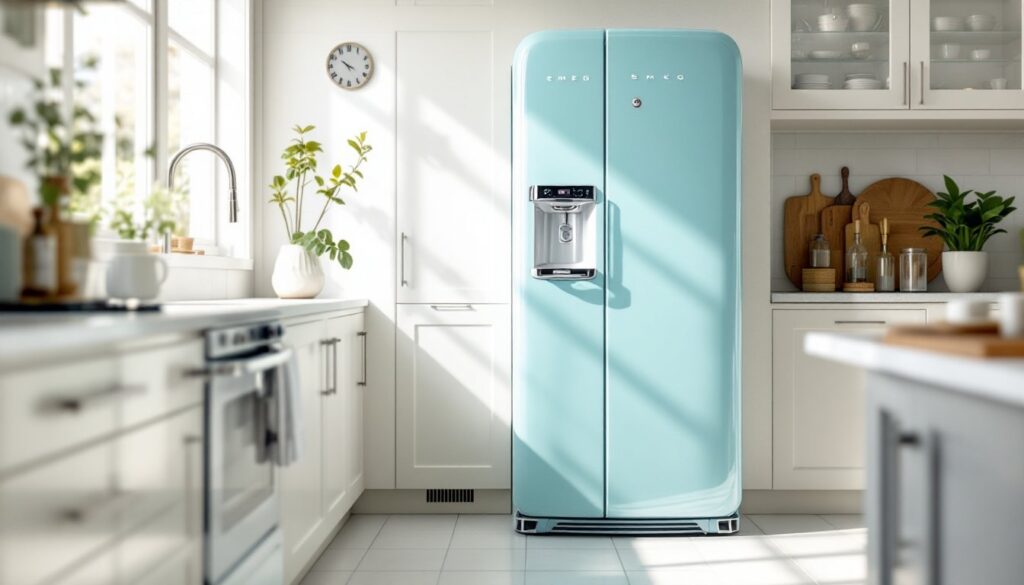
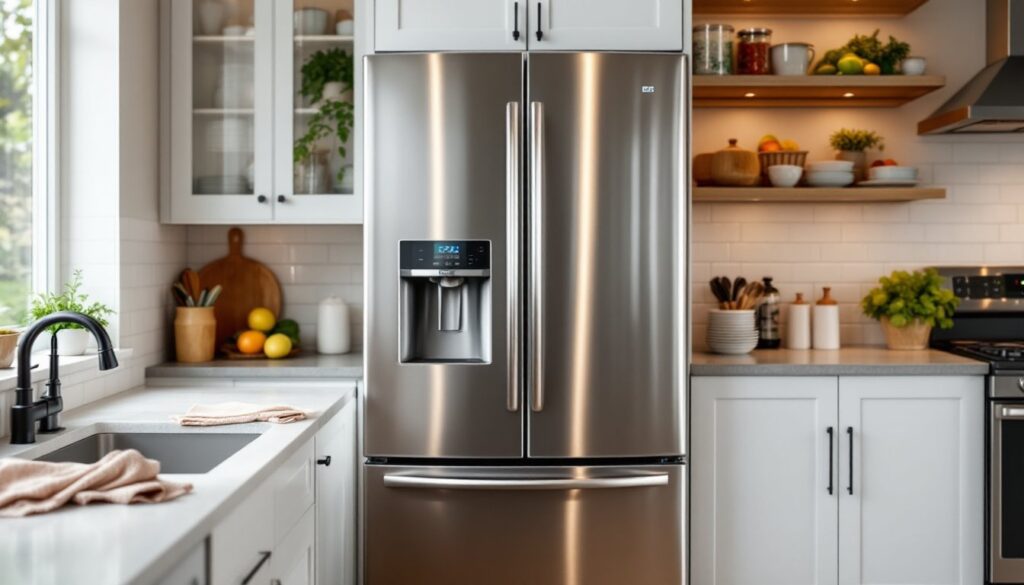
Appliance placement defines your kitchen’s backbone. Start with the sink and refrigerator: the sink usually anchors near a wall (for drainage and venting), while the fridge generally sits at the end of a run to avoid heat radiating onto adjacent cabinetry and to avoid blocking traffic. Place your cooktop or range at least 3 feet away from a corner or the end of a cabinet run to leave elbow room for tall pots. An island cooktop demands additional ventilation clearance and serious electrical/gas runs, don’t go down this road without a licensed electrician or gas fitter.
The microwave placement stumps many people. Mounting it above the range (in a microwave hood combo) saves counter space but limits access and heat concerns: a lower-height microwave cart or undercounter placement is safer and easier for kids and shorter cooks. Dishwashers should sit within a step or two of the sink for plumbing efficiency. Ovens can sit standalone or stacked (double ovens), and their placement matters less for traffic than the cooktop does. Wall-mounted ovens save bending and look streamlined, but they cost more to install and repair. Consider traffic patterns: if the refrigerator, sink, and cooktop form your three points, appliance placement should minimize crisscrossing. Kitchen layouts that prioritize efficient workflow make cooking faster and more enjoyable.
Lighting, Ventilation, and Utility Considerations
Lighting transforms a kitchen from functional to livable. You need three layers: ambient (overhead ceiling fixtures), task (under-cabinet or pendant lights over the counter), and accent (optional mood lighting). Pendant lights above an island or peninsula add visual interest and task illumination. Under-cabinet LED strips brighten countertops and cost almost nothing to run. Overhead recessed lighting or flush-mount fixtures provide general coverage. Natural light is a bonus: position counters where windows shed daylight if you can.
Ventilation is non-negotiable. Cooking generates moisture, odors, and heat. A range hood vented outside (not recirculated) removes steam and smoke effectively, aim for 600 CFM (cubic feet per minute) minimum for a standard range, more for gas cooktops or open island layouts. A recirculating hood with charcoal filters is better than nothing but doesn’t remove moisture: it’s a backup plan. Install the hood 24 to 30 inches above the cooktop surface, per building codes. Bathroom and laundry exhaust can’t share ducting with kitchen vents, codes prohibit it.
Utility runs, plumbing, electrical, gas, dictate your flexibility. An island sink requires running water and drain lines through the floor: feasible but pricey. A cooktop island with gas needs a gas line run (hire a licensed pro). Electrical code (NEC) requires outlets every 4 feet along countertops and at least one in islands. If you’re moving appliances, get a licensed electrician involved to ensure proper grounding, circuit capacity, and code compliance. A cheap shortcut here creates hazards and fails inspection. Plan utility placement early: it’s cheaper to reroute during design than after framing.