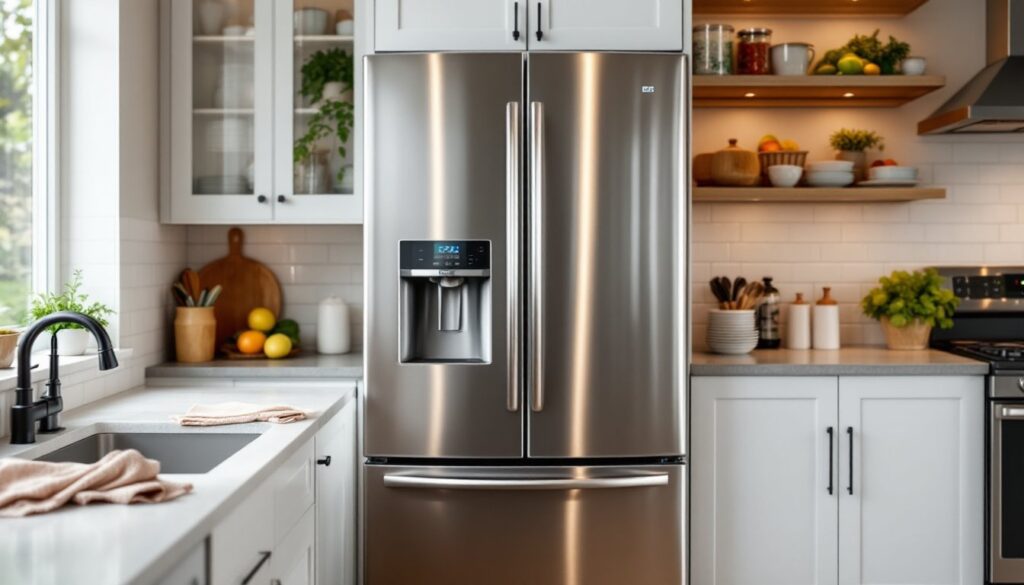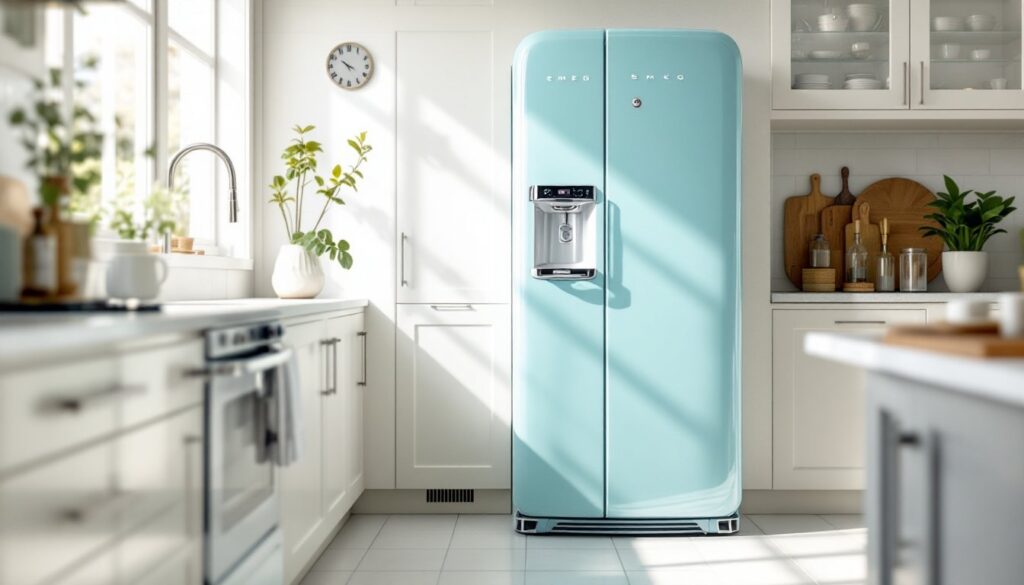

Most homeowners treat their refrigerator like plumbing, essential but invisible. A Smeg refrigerator changes that equation. These Italian-made appliances sit at the intersection of retro charm and modern performance, turning your kitchen’s workhorse into a design statement. Unlike standard stainless steel boxes, Smeg models come in bold colors, curved edges, and chrome accents that reference 1950s design while delivering today’s cooling technology. If you’re planning a kitchen refresh or simply tired of blending in, a Smeg refrigerator offers both substance and style, though understanding what you’re buying, how to install it, and whether it fits your budget takes some assignments.
Table of Contents
ToggleKey Takeaways
- A Smeg refrigerator combines retro 1950s design with modern cooling technology, turning your kitchen appliance into a functional design statement with bold colors, curved edges, and chrome accents.
- Smeg refrigerators cost 2–3 times more than standard models ($2,500–$4,500+) but deliver 15–20 years of reliable performance with precise temperature control and durable construction.
- Popular models include the FAB28 (9.2 cu ft, $3,500–$4,500), FAB50 (19.5 cu ft, $4,000–$5,500), and FAB5 mini-fridge ($500–$800), allowing you to match the refrigerator to your kitchen size and budget.
- Proper installation requires professional delivery, accurate space measurements (including 90-degree door clearance), correct leveling, and a 4–6 hour settling period before powering on—skip shortcuts to avoid sealing and compressor issues.
- Preventive maintenance like twice-yearly coil cleaning, door seal inspection, and temperature monitoring can extend your Smeg refrigerator’s lifespan and prevent costly repairs.
- Buy a Smeg if you’re designing around retro aesthetics and plan to stay 10+ years; skip it if you’re renting, moving frequently, or on a tight budget.
What Makes Smeg Refrigerators Stand Out
Design and Aesthetic Appeal
Smeg refrigerators aren’t subtle. They’re built on the principle that an appliance shouldn’t apologize for taking up space in your kitchen, it should earn that real estate. The signature rounded corners, glossy finishes, and choice of finish colors (cream, red, pastel blue, black, and stainless) make these units instantly recognizable. The chrome handles and feet add a retro flourish without feeling costume-y or cheap.
What sets Smeg apart from other brands playing the retro game is proportional restraint. The design reads vintage without shouting it. Many homeowners pair a Smeg fridge with contemporary cabinetry, and the appliance anchors the space rather than fighting it. The visual weight is there, but it’s deliberate.
Doors typically use a freezer-on-top or freezer-on-bottom layout, and interior shelving uses tempered glass with chrome racks. These details matter when you’re spending this much on a single appliance. Recent reviews highlight how retro refrigerators including Smeg models deliver that vintage appeal while meeting modern kitchen expectations.
Performance and Reliability
Smeg refrigerators pack genuine cooling power beneath the retro exterior. Most models use energy-efficient compressors with CFC-free refrigerant, though efficiency ratings vary by model year and configuration. Your energy bill won’t thank you as much as a basic refrigerator would, but these aren’t energy hogs, especially newer models.
Temperature control is precise. The thermostat maintains consistent cold without the wild swings common in cheaper units. Interior layouts include adjustable shelves, crisper drawers for produce, and dedicated sections for dairy and meats. Freezer performance is solid, though some users note that frost-free models require occasional manual defrosting in very humid climates.
Longevity is where Smeg builds its reputation. These refrigerators aren’t disposable. With proper maintenance, a Smeg unit runs reliably for 15–20 years. Parts are available through authorized dealers, and warranty coverage (typically 2–3 years, sometimes extended) is honest and straightforward. That durability is baked into the price tag: you’re not just paying for looks.
Popular Smeg Refrigerator Models for Homeowners
The FAB28 is Smeg’s flagship, a full-size, 9.2-cubic-foot French-door refrigerator that works in traditional and modern kitchens alike. It’s available in multiple colors and includes a no-frost freezer, adjustable shelving, and smart temperature zones. Price runs $3,500–$4,500 depending on configuration and color.
The FAB50 is the statement-maker: a 19.5-cubic-foot two-door unit that commands attention. It’s best suited to larger kitchens where the visual presence won’t overwhelm the space. Expect to budget $4,000–$5,500. Storage capacity and performance are premium, but footprint is significant (roughly 27 inches wide, 61 inches tall).
For smaller kitchens or apartments, the FAB5 stands out as a compact option. At 1.7 cubic feet, it’s a mini-fridge category appliance, more style accent than primary refrigerator. Priced around $500–$800, it works as a secondary cooler, wine fridge, or statement piece in a dorm or office. These entry-level models appeal to renters and those testing the Smeg aesthetic without full commitment.
The RM4001R and RM6000 are built-in models for seamless cabinet integration. These are custom-order territory and require precise measurements, cabinetry cutouts, and sometimes licensed installation. Budget $5,000–$7,000+ for these units.
All models share consistent build quality and design language. Choose based on kitchen layout, family size, and whether you’re going full retro or using one Smeg piece as an accent.
Installation and Setup Considerations
Smeg refrigerators arrive in a cardboard box, and unlike smaller appliances, you can’t just plug it in. Space planning and delivery logistics matter.
Measure twice, buy once. A standard Smeg FAB28 is approximately 27 inches wide, 57 inches tall, and 30 inches deep (including door handles and hinges). Account for full swing clearance, you need at least 90 degrees of door clearance if your kitchen layout is tight. Measure your kitchen doorway, hallway, and any stairs the delivery crew must navigate. Some older homes have doors too narrow for wide refrigerators: get accurate measurements before purchasing.
Delivery and placement almost always require professional help. Smeg units weigh 200–300+ pounds depending on model. Most authorized retailers include white-glove delivery: the crew positions the unit, removes packaging, and hauls away cardboard. Verify this before purchase. If you buy through a third-party seller, delivery might cost extra or fall on you.
Leveling is critical. Once positioned, the refrigerator must sit slightly forward-tilted (about 0.5 inches lower in front than back) so doors close naturally. Adjustable feet on the base handle this, but you’ll need a level to verify. A fridge sitting flat or tilted backward will have sealing issues and unnecessary compressor strain.
Water and electrical connections are straightforward. Standard 120V outlet placement is essential, don’t use an extension cord permanently. If your model includes an ice maker or water dispenser, run the supply line to a shut-off valve under the sink. This requires basic plumbing knowledge or a quick call to a plumber ($100–$200). Allow the unit to sit unplugged for 4–6 hours after delivery before powering on: refrigerant needs time to settle.
Permits? Residential refrigerator installation doesn’t typically require permits. Hardwired or built-in models might trigger electrical inspection depending on your jurisdiction, but standard plug-in units are clear.
Maintenance Tips to Keep Your Smeg Refrigerator Running Smoothly
A Smeg refrigerator repays care with longevity. Preventive maintenance is inexpensive compared to repairs.
Coil cleaning is the single most important task. Behind or beneath the unit, the condenser coils release heat. Dust buildup forces the compressor to work harder, reducing efficiency and lifespan. Unplug the unit, vacuum the coils twice yearly using a brush attachment or specialized coil cleaning brush (available for ~$15). This 10-minute task prevents major breakdowns.
Door seal inspection keeps cold air in. Run your hand along the rubber gasket: it should be firm and seal completely when closed. Over years, gaskets deteriorate. A gap lets warm air seep in, and the compressor runs constantly. Gaskets are replaceable parts (typically $50–$150 and often installed by authorized service techs). Test the seal with a dollar bill: close the door on it, and you should feel resistance when pulling it out.
Interior cleaning uses mild soap and water on glass shelves and plastic crisper drawers. Avoid harsh chemicals or abrasive scrubbing on the painted exterior. Wipe spills promptly: acidic foods (citrus, tomato) can damage the finish if left to dry. The chrome handles polish easily with microfiber cloth and a tiny bit of water.
Temperature settings should hold at 37°F for the fridge, 0°F for the freezer. Check occasionally with a simple fridge thermometer ($8–$15). Drift indicates a failing thermostat or compressor issue, call a service technician if you spot problems.
Defrosting (on non-frost-free models) happens manually every 3–6 months. Unplug, remove contents, and let ice melt. It’s tedious but takes an hour and costs nothing.
Professional service is worth the investment for major repairs. Compressor failures, refrigerant leaks, or electrical faults require licensed technicians. Smeg’s authorized service network is smaller than mainstream brands, so locate your nearest service center before purchasing, it’s a real factor in the decision.
Is a Smeg Refrigerator Worth the Investment
A Smeg refrigerator costs 2–3 times more than a standard refrigerator. A basic 25-cubic-foot model runs $800–$1,200: a comparable Smeg sits at $2,500–$4,500. The question isn’t whether Smeg is expensive, it is, but whether the extra cost aligns with your goals.
You should buy a Smeg if: You’re designing a kitchen around a specific aesthetic (retro, mid-century modern, or eclectic) and the refrigerator is a centerpiece, not an appliance. You plan to stay in your home 10+ years: durability and style compound over time. You value the prestige of owning a design-forward appliance. You have the space and layout to accommodate a large, visually prominent unit.
Skip it if: You’re renting (most landlords discourage custom appliances). You move frequently and need low-cost appliances. Your kitchen is already crowded: adding visual weight worsens the space. You’re on a tight budget: standard refrigerators do the job just fine. Your home’s style is minimal or contemporary, and a retro fridge clashes.
Resale value is the wildcard. Smeg fridges appeal to design-conscious buyers and won’t hurt your home’s marketability, but you likely won’t recoup the full premium when selling. That’s not unique to Smeg: most appliances depreciate. Some homeowners view the purchase as an investment in their own daily satisfaction rather than ROI.
Consider looking at kitchen design resources and appliance reviews to see how Smeg units perform in real kitchens and where they fit broader design strategies. Reading owner reviews and detailed product comparisons helps separate hype from honest performance feedback.
The honest answer: A Smeg refrigerator is a luxury good. If the cost doesn’t strain your budget and the aesthetic resonates, it’s a delightful upgrade. If you’re stretching financially or unsure about committing to retro design, a standard refrigerator works just as well.