
A mouse in the house isn’t just an inconvenience, it’s a problem that demands immediate action. Droppings accumulate fast, wires get chewed, and one mouse quickly becomes a colony if you don’t intervene. The good news is that you don’t need an exterminator for most infestations. Choosing the right mouse trap makes all the difference between a quick solution and weeks of frustration. Whether you’re dealing with a single intruder or a more serious situation, understanding the most effective mouse trap options, setup techniques, and prevention strategies will get your home back under control, and keep it that way.
Table of Contents
ToggleKey Takeaways
- The best mouse trap for most homeowners is a snap trap on a wooden base, which kills mice instantly and reliably for under $2 per unit.
- Proper placement along walls and baseboards where mice travel, combined with peanut butter as bait, significantly increases trapping success rates.
- Set multiple traps (5–10 for active infestations) and check them every 24 hours, relocating any untouched traps after 48 hours to catch cautious mice.
- Protect pets and children by placing traps behind appliances or inside bait stations rather than in open areas where accidents can occur.
- Long-term mouse prevention requires sealing entry points with steel wool and caulk, removing food sources, and eliminating clutter where mice nest.
- Electronic traps offer a more humane option at $20–$50 but require maintenance, while live-capture traps demand follow-up action and may violate local wildlife laws.
Types of Mouse Traps: Finding the Right Solution for Your Situation
Snap Traps and Spring-Loaded Options
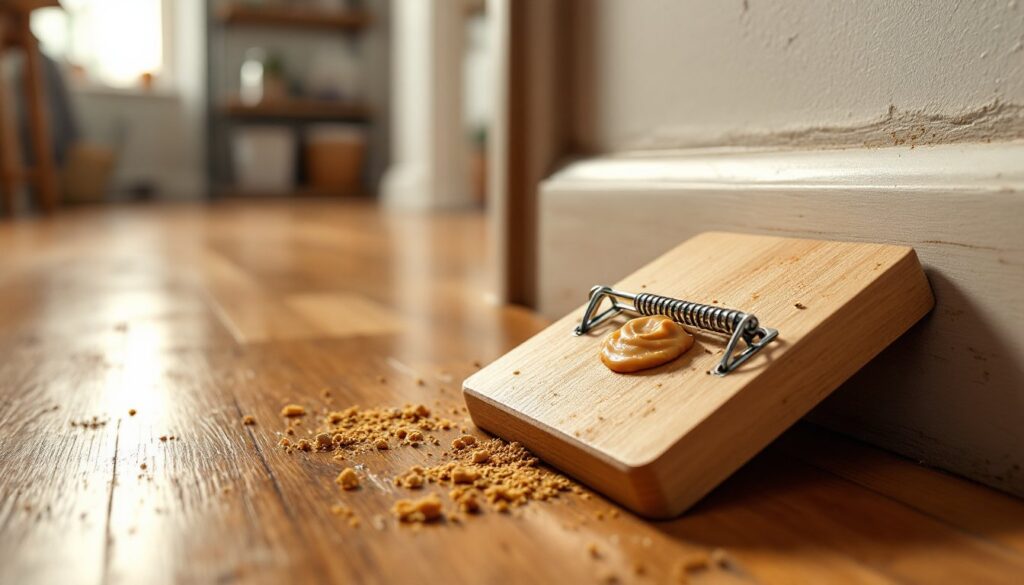
Snap traps remain the most effective mouse trap for sheer reliability and speed. A properly set snap trap kills a mouse instantly with a spring-loaded bar, minimizing suffering. The wooden base versions are inexpensive (usually under $2 each), easy to set, and work reliably when baited correctly. They come in standard and enhanced designs: the newer versions feature better trigger sensitivity and faster springs than older models.
Spring-loaded traps are straightforward: place bait on the trigger plate, set the bar, and position the trap along walls where mice travel. They require no batteries or electricity, work in any temperature, and you’ll know immediately when they’ve done their job. The downside is disposal, some homeowners find this unsettling, and the traps can snap fingers if you’re careless during setup.
Wooden base snap traps are your workhorse. Plastic variants exist but are less reliable because they can crack or lose tension over time. If you’re trapping multiple mice, buy a dozen traps rather than relying on one or two: mice are prolific, and a single trap won’t control an active infestation.
Electronic and Humane Traps
Electronic traps deliver a high-voltage shock that kills mice painlessly in seconds. These traps appeal to homeowners seeking the most humane mouse trap option without the guilt of a slow kill or messy disposal. They’re battery-powered or plug-in, automatic (they reset after each use), and show a light indicator when triggered.
Humane or live-capture traps box mice without harm, allowing you to release them outdoors. These work well if you’re philosophically opposed to killing, but release comes with caveats: relocated mice often die anyway from stress or inability to find food in unfamiliar territory. Most jurisdictions have laws about where and how you can release wildlife, so check local regulations first.
Electronic traps cost $20–$50 and require maintenance (cleaning contacts, replacing batteries). Humane traps are cheaper but demand follow-up action, you can’t just set them and forget them. For most homeowners managing an active infestation, snap traps or electronic options outperform live traps in speed and practicality.
How to Set Up and Use Mouse Traps Effectively
Setup determines success. A poorly placed or loosely set trap wastes time and teaches mice to avoid the area.
Step 1: Locate Mouse Paths
Mice run along walls and baseboards, not across open floors. Look for droppings, gnaw marks, or grease smudges on baseboards, these are traffic highways. Set traps perpendicular to the wall, with the trigger side facing the baseboard. Mice will run into them.
Step 2: Use the Right Bait
Place bait, peanut butter, dried fruit, or oats (covered below), on the trigger plate without fully covering it. Mice need to touch the trigger to eat the bait. A pea-sized amount is enough: oversized baits trigger the trap before the mouse commits to eating.
Step 3: Set the Trap Correctly
When setting a snap trap, wear gloves to avoid leaving human scent, which can deter mice. Pull back the spring-loaded bar fully, ensuring the trigger plate sits flush. Test the trigger with light finger pressure to confirm it’s sensitive enough to snap immediately.
Step 4: Check Frequently
Inspect traps every 24 hours. A dead mouse sitting for days becomes unsanitary and can attract flies. Wear gloves and a disposable mask when removing dead mice. Double-bag them and dispose in the trash.
Step 5: Don’t Give Up Too Soon
If a trap remains untouched after 48 hours, move it to a different location. Mice are cautious about new objects: changing position sometimes yields results. In active infestations, you may need to set 5–10 traps simultaneously to make a dent.
Top Bait Choices That Actually Work
Bait selection matters more than most homeowners realize. The best mouse trap goes unused if baited incorrectly.
Peanut Butter is the gold standard. Mice love it, it sticks to the trigger, and a small dab stays put even if a mouse bumps the trap lightly. Creamy is better than chunky because it adheres more reliably. This remains the most effective choice for the vast majority of situations.
Dried Fruit or Nuts work well, especially raisins, almonds, or sunflower seeds. These appeal to rodents’ natural foraging instincts and create less mess than peanut butter if you’re squamish about cleanup. Mix a raisin or two with a tiny drop of peanut butter for added effectiveness.
Oats and Grain are traditional options that remain reliable, particularly during fall and winter when mice seek dense, calorie-rich foods. Soak oats briefly in water so they clump together on the trigger, preventing them from being nibbled away without setting off the trap.
Nesting Materials like cotton balls or dryer lint aren’t food but attract mice seeking nest-building supplies. Wrapping a small piece around bait can improve results, especially for electronic traps where the mouse must spend a few seconds in the trap.
Avoid Cheese. Contrary to popular culture, mice don’t prefer cheese to other foods, and it dries out quickly, reducing effectiveness. Skip it and stick with proven baits. Fresh bait works best: replace baits every 2–3 days even if uneaten, since old or dried baits lose their appeal.
Safety Considerations for Homes with Pets and Children
A set trap is a hazard to anyone who doesn’t know it’s there. Safety planning prevents injury and teaches household members proper handling.
For Homes with Cats and Dogs: Curious pets can trigger traps and suffer injury or worse. Place traps in areas where pets can’t access them, behind appliances, in cabinets with child locks, or inside bait stations (plastic boxes with entry holes only mice can fit through). Bait stations cost $15–$30 per unit and let you trap safely around animals and kids. Check them from outside without opening, reducing accidental triggers.
For Homes with Children: Teach kids that mousetraps are dangerous tools, not toys. Store trap bait in sealed, labeled containers on high shelves. If a child triggers a trap, remove them carefully and reassess placement. Bait stations work better in homes with young children who might wander into storage areas.
General Rules: Wear latex or nitrile gloves when handling dead mice to avoid direct contact. Wash hands thoroughly with soap and water afterward. If you’re pregnant, very young, or immunocompromised, have someone else handle trap disposal, mice can carry hantavirus, though infection is rare with proper precautions. Never eat or drink while handling traps or dead mice.
Bait Station Safety: These enclosures protect pets and children while maintaining trap effectiveness. Mice enter through small openings, triggering the trap inside, and you check and empty the station from outside. This adds a step but provides peace of mind in busy households.
Prevention Tips to Keep Mice Out Long-Term
Trapping stops an infestation, but prevention stops it from happening again. Mice need three things: food, water, and shelter. Remove any one, and they’ll move on.
Seal Entry Points: Mice squeeze through gaps as small as a dime. Inspect exterior walls, foundation cracks, spaces around pipes, and gaps under doors. Use steel wool (mice can’t chew through it) combined with caulk or expanding foam to seal openings. Check areas where utilities enter the house, these are common entry routes. This task often reveals you need a home maintenance checklist to track all exterior vulnerabilities.
Remove Food Sources: Store pantry items in airtight containers, not cardboard boxes. Mice shred cardboard easily. Clean up crumbs immediately, secure trash in sealed bins, and don’t leave pet food out overnight. A single forgotten snack is an invitation.
Eliminate Clutter: Mice nest in piles of paper, cardboard, or soft materials. Declutter basements, attics, and storage closets. Mice love dark corners with packing materials, clearing these removes ideal nesting spots.
Control Moisture: Mice need water: eliminate leaky pipes, condensation, and standing water. A dry house is less attractive to rodents. Fix foundation cracks that allow water infiltration.
Trim Vegetation: Overgrown bushes and tree branches touching your roof provide highways for mice to reach entry points. Keep landscaping trimmed back at least 3 feet from the house.
Use Snap Traps Year-Round: Even after an infestation is gone, maintain 2–4 baited traps in high-risk areas (basement, kitchen perimeter, attic). This catches stragglers or early invaders before populations rebuild. Rotate traps seasonally, intensifying during fall and winter when mice seek indoor warmth. Consulting product reviews from trusted sources can help you select upgraded trap designs if your current setup isn’t delivering results.