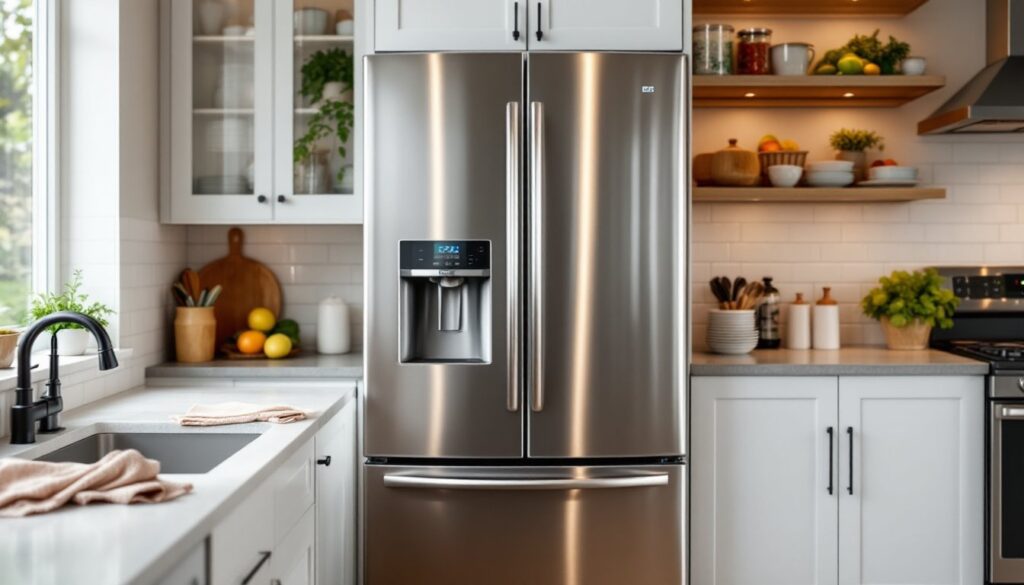

A stainless steel refrigerator has become less of a luxury and more of a kitchen essential. Walk into most modern kitchens today, and you’ll see that sleek, durable finish standing out as the centerpiece of the appliance lineup. Whether you’re renovating your kitchen or replacing an aging unit, understanding what makes stainless steel fridges tick, and how to find one that fits your budget, is key. This guide covers everything from why this material dominates the market to how to keep yours looking showroom-fresh for years.
Table of Contents
ToggleKey Takeaways
- A stainless steel refrigerator resists rust and corrosion while adding contemporary aesthetic appeal and resale value to any modern kitchen.
- Fingerprint-resistant finishes cost slightly more upfront but significantly reduce weekly cleaning time and maintenance effort.
- Proper installation—including careful space measurement, adequate clearance for airflow, and level adjustment—ensures efficient cooling and extends appliance lifespan.
- Regular maintenance like wiping with the grain, cleaning condenser coils every six months, and inspecting door gaskets keeps your stainless steel refrigerator looking showroom-fresh for years.
- Budget-friendly options from end-of-season sales, floor models, and scratch-and-dent deals can save $300–$500 without compromising the style and functionality of an inexpensive stainless steel refrigerator.
- Prioritize essential features like an ice maker and extended warranty coverage over unnecessary add-ons to maximize value and protection at any price point.
Why Stainless Steel Is The Modern Kitchen Standard
Stainless steel earned its place in kitchens for solid reasons. Unlike painted finishes or cheaper plastic-trimmed models, a stainless steel refrigerator resists rust, corrosion, and staining. The material itself is an iron-chromium alloy that naturally repels moisture, critical in an appliance that works around water, condensation, and humidity every day.
The aesthetic appeal is real, too. Stainless steel reads as clean, contemporary, and professional. It complements virtually any kitchen style, from minimalist to transitional. Homeowners find that when their stainless steel refrigerator coordinates with other stainless appliances (dishwasher, range, microwave), the kitchen feels cohesive and intentional.
Resale value matters. Kitchens with stainless steel appliances tend to appeal to potential buyers, which means your investment can pay off if you ever sell. Even a cheap stainless steel refrigerator signals care and modern standards to a prospective owner.
There’s also durability. Stainless steel withstands dings, accidental impacts, and the wear-and-tear of family life better than finishes that chip or scratch easily. You won’t be looking at cosmetic damage after a few years the way you might with other materials.
Key Features To Look For When Shopping
Finish Quality And Fingerprint Resistance
Not all stainless finishes are created equal. Standard stainless steel shows every fingerprint, smudge, and dust particle. It’s beautiful when clean but frustrating if you value low maintenance.
Look for fingerprint-resistant finishes, many manufacturers offer versions labeled “fingerprint-resistant” or “black stainless.” These apply a subtle grain or texture that hides marks. They cost slightly more upfront but save time on polishing and cleaning. A cheap stainless steel refrigerator might use basic finish, while mid-range models often include this upgrade.
When shopping, open the display model and place your hand on it. If your palm print jumps out immediately, that’s standard stainless. If it’s barely visible, fingerprint resistance is doing its job. Even a steel refrigerator with this feature reduces weekly cleaning from multiple times to once or twice.
Installation And Placement Tips For Your Home
Before you buy, measure your kitchen space carefully. Refrigerators vary in depth, width, and height: a unit that looked perfect in the showroom might not fit your nook or door frame.
Depth matters most. Standard stainless steel refrigerator dimensions run 30–36 inches wide and 65–70 inches tall, but depth ranges from 28 to 34 inches (measured from the back wall to the front of the door handle). If your kitchen is tight, a 28-inch-deep model prevents the door from swinging into walkways. Measure from the back wall to your kitchen island or opposite counter.
Clearance around the unit ensures proper airflow. Leave at least 1 inch of space on each side and 2 inches above. If airflow is blocked, the compressor works harder and your unit won’t cool efficiently, shortening its lifespan.
Leveling the fridge takes ten minutes but prevents door-sag and uneven cooling. Use a wrench to adjust the front feet until the unit tilts slightly back (toward the wall). A level tool confirms this: it should show a tiny slope.
Outlet placement matters too. Place the refrigerator where it’s not directly adjacent to a heat source (range, dishwasher) or in direct sunlight. If you’re placing a steel refrigerator in a garage or unheated space, confirm the model is rated for those temperatures, not all are.
Maintenance Secrets To Keep Yours Looking New
Fingerprints and smudges are inevitable. Weekly maintenance keeps your stainless steel refrigerator looking showroom-fresh without excessive effort.
Cleaning routine: Wipe the front with a microfiber cloth and a little rubbing alcohol or a stainless steel-specific cleaner. Always wipe with the grain (not against it), which pushes dirt away from the finish. For stubborn spots, let the cleaner sit 30 seconds before wiping.
Avoid these products: Never use bleach, abrasive scrubbers, or steel wool on stainless finishes. They scratch the surface and can cause corrosion. Bar keepers friend works well for tough marks, but use it sparingly, it’s slightly abrasive.
Coil cleaning extends your fridge’s lifespan. Dust the condenser coils (usually on the back or underneath) every six months with a soft brush. Dirty coils force the compressor to work harder and can lead to premature failure. An inexpensive stainless steel refrigerator and a premium model both benefit equally from this simple step.
Gasket inspection is overlooked but critical. The rubber seal around the door prevents cold air from escaping. Check it twice a year for cracks or deterioration. A failing gasket forces the compressor to run constantly, spiking your electric bill. Replacement gaskets are affordable and easy to swap.
Research from The Spruce highlights that regular maintenance adds years to appliance longevity, making these habits a smart investment.
Budget-Friendly Options Without Compromising Style
A stainless steel refrigerator on sale or a cheap stainless steel refrigerator doesn’t mean settling for poor quality or clunky design.
Where to find deals: End-of-season sales (late August, December) often see 15–20% discounts. Floor models at appliance stores get steeper discounts because they’ve been on display. Scratch-and-dent sales happen year-round: the exterior might have a tiny dent, but the cooling system is flawless. An inexpensive stainless steel refrigerator purchased this way can save $300–$500 compared to full retail.
What to prioritize on a budget: Skip unnecessary bells and whistles. You don’t need a touchscreen, Wi-Fi connectivity, or an internal camera if the goal is affordable functionality. A simple steel refrigerator with solid cooling, ice maker, and adequate storage ticks all the boxes. Brands like Frigidaire, GE, and LG offer no-frills models that perform reliably.
Feature tiers matter: A stainless steel refrigerator with ice maker at the mid-range ($1,200–$1,800) outperforms a basic model without one, especially if ice matters to your household. That single feature improves daily convenience significantly. According to lab testing and real consumer reviews, mid-range stainless models often deliver better value than bottom-tier options.
Warranty coverage is worth money. Budget models typically include a one-year full warranty. For an extra $150–$200, you can often extend coverage to 3–5 years, which protects against compressor failure, the most expensive repair. Over a decade, this investment pays for itself if anything goes wrong.
Don’t assume that a cheap stainless steel refrigerator means poor aesthetics. Manufacturers design budget models with the same finish and appearance priorities as premium units, they simply skip costly extras. Kitchen design professionals at The Kitchn consistently recommend mid-range stainless models as the sweet spot for most families.
Conclusion
A stainless steel refrigerator is a long-term investment in both kitchen function and visual appeal. Whether you’re eyeing a stainless steel refrigerator with ice maker, hunting for deals on models on sale, or looking for an inexpensive option that doesn’t sacrifice style, the fundamentals remain the same: measure your space, prioritize features that match your household, and commit to basic maintenance. The right unit, at any price point, will serve reliably for 10–15 years and keep your kitchen looking intentional and modern.