
Water damage ranks among the costliest homeowner headaches, a single pipe burst or slow leak can run you thousands in repair bills before you even notice it’s happening. Smart water leak detectors have evolved dramatically, moving beyond simple sound alarms to connected systems that alert you instantly on your phone, no matter where you are. Whether you’re dealing with an aging supply line under the sink, a finicky toilet fill valve, or a water heater tucked in a basement corner, catching leaks early means the difference between a $50 sensor and a $10,000 restoration project. This guide walks you through detector types, placement strategies, and installation tips to protect your property and budget.
Table of Contents
ToggleKey Takeaways
- A water leak detector can prevent costly repairs by catching even small leaks early—a 1-gallon-per-day leak adds up to 365 gallons yearly and hidden water damage that spreads behind walls.
- Smart leak detectors with app alerts notify you within seconds of detecting moisture, allowing you to act immediately whether you’re home or traveling.
- Strategic placement of water leak detectors in high-risk zones like under sinks, near water heaters, behind washing machines, and in basements is essential for maximum protection.
- Wireless detectors are easier to install and relocate, while wired systems offer reliability and integration with automatic shutoff valves, so choose based on your home’s age and technical comfort level.
- Annual maintenance and testing—including battery checks every 6 months and running detection tests yearly—ensures your sensors stay functional when you need them most.
- A typical home needs 2–4 water leak detectors; older properties or homes with previous water damage should have 6–8 units for comprehensive coverage.
Why Water Leak Detection Matters for Modern Homeowners
A small leak, maybe 1 gallon per day from a corroded fitting, doesn’t sound serious until you realize it’s adding up to 365 gallons yearly. That’s water damage quietly pooling behind walls, rotting subfloor, and feeding mold growth that you won’t see until the drywall starts to bubble. Most homeowners only discover problems after they’ve become structural issues, which is why water leak detectors have become essential rather than luxury add-ons.
Beyond the repair costs, water damage inflates insurance claims and can tank your home’s resale value. Insurance companies are increasingly strict about water damage claims, and buyers run moisture tests on any property with a history of leaks. A proactive detection system doesn’t just save money, it gives you peace of mind. Whether you’re traveling, at work, or sleeping, sensors can alert you to trouble before it spreads.
Types of Water Leak Detectors: Choosing the Right Solution
Water leak detectors come in three main flavors: standalone moisture sensors with alarms, wired systems tied to your home’s electrical infrastructure, and wireless smart detectors that plug into your WiFi. Standalone units are dead simple, battery-powered, no installation beyond placement, alarm sounds when sensors detect moisture. Wired systems integrate with home automation setups and may trigger automatic shutoffs. Smart detectors send app notifications and often log data so you can track patterns over time.
Your choice depends on your home’s age, technical comfort level, and how much visibility you want into your water systems. Older homes often lack the infrastructure for wired systems, making wireless units a practical fit. New construction or full renovations might justify a wired setup for integrated monitoring and control.
Wired vs. Wireless Leak Detectors
Wired detectors integrate with your electrical system and often connect to a central hub. They don’t rely on batteries, meaning no dead sensors at 2 a.m. when a pipe ruptures. Many can trigger automatic shutoff valves if water is detected near your main water supply, cutting off flow before major damage occurs. The trade-off: installation requires running low-voltage wiring through walls, which may need a licensed electrician depending on your local codes. Wired systems cost more upfront but offer reliability and don’t depend on wireless signal strength.
Wireless detectors run on batteries and communicate via WiFi or a proprietary hub. They’re easier to install, just place them and pair them with an app, and you can relocate them as needed. Battery life typically runs 3–5 years, though some newer models push that further. The limitation is network dependency: if your WiFi drops, so does real-time alerting. For renters or anyone hesitant about hardwiring, wireless is the practical choice.
Smart Leak Detectors With App Alerts
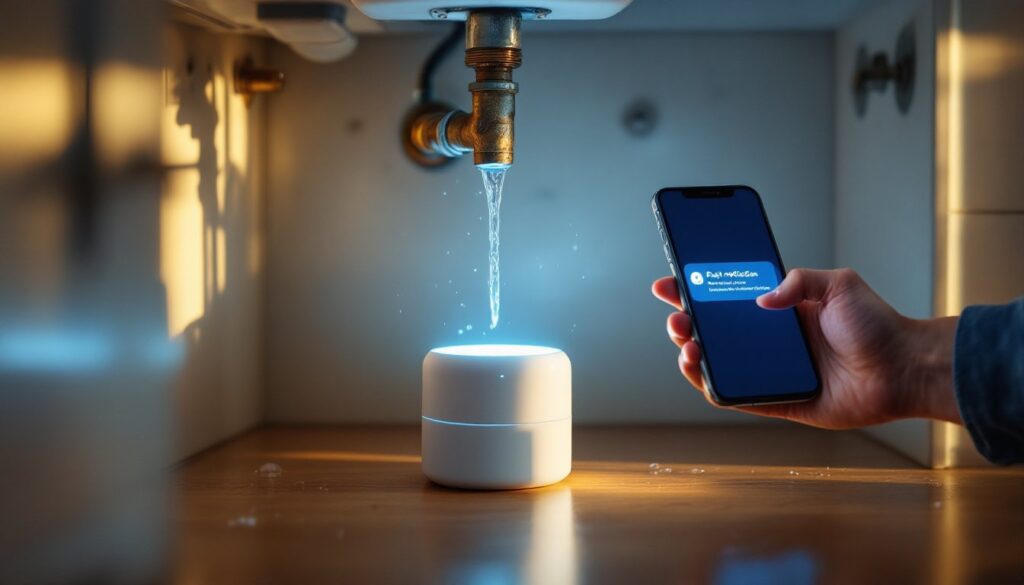
Smart detectors represent the current standard for most homeowners. Models like those reviewed in expert water leak detector comparisons offer immediate push notifications, logging, and integration with ecosystems like Apple HomeKit, Google Home, or Alexa. You receive an alert within seconds, not hours, of detecting moisture. Many also track humidity levels, which can warn you of slow leaks or condensation buildup before they become problems.
App-based detectors give you historical data. You can see when a sensor triggered, moisture levels over time, and correlate alerts with known events (like that bathroom flood last month). Premium models offer multiple sensor zones, temperature monitoring, and integration with leak shutoff valves. For the investment, typically $25–80 per sensor, smart detection is well worth it if you value remote monitoring and detailed insights.
Where to Install Leak Detectors in Your Home
Strategic placement is everything. Sensors should sit where water is most likely to accumulate or where damage would be costliest. Start under sinks, the cabinet beneath your kitchen or bathroom sink is a classic leak zone. Supply line fittings corrode, flexible hoses crack, and P-traps fail silently. A sensor in that cabinet catches problems fast.
Your water heater is another critical spot. Tank failures are common as units age, and a 40-gallon rupture on your garage or basement floor spreads quickly. Washing machine discharge hoses fail regularly too: place a sensor under or behind the machine where water collects if a hose bursts or comes loose. Refrigerator ice maker lines run across cabinets, position a detector where that line exits the unit.
Basement or crawlspace areas prone to seepage deserve coverage. If you’ve had water intrusion before, that’s a hotspot. Foundation cracks, sump pump failures, and stagnant moisture all invite problems. Corner areas, spots beneath windows, and near exterior walls get priority. Toilets are notorious for silent leaks: a sensor beside the toilet bowl (not inside it) detects overflow or tank seepage.
For homes with slab-on-grade foundations or known humidity issues, place sensors near HVAC condensation drain lines and under humidifiers. These often drip or back up, and slow evaporation can rot nearby materials. Research suggests leading smart home leak detectors identify high-risk zones through detection speed and alert responsiveness, choose models tested in these vulnerable areas. Aim for at least 2–4 sensors in a typical home: larger homes or older properties might warrant 6–8.
Installation Tips and Maintenance Best Practices
Installation is straightforward for most detectors, but a few prep steps prevent false alarms and missed detections. Clean the area where you’ll place the sensor, dust and debris interfere with moisture detection. The sensor pad or contact points need direct contact with potential water, not a layer of grime. Wipe with a dry cloth and let surfaces fully dry before mounting.
For battery-powered units, test the battery before finalizing placement. Insert batteries, trigger a test mode (usually a button press), and confirm the alarm sounds and app notification fires. Mark the installation date on the sensor itself so you remember when to swap batteries. Set reminders for annual battery checks: many failures occur because someone forgot a dead cell.
Position sensors horizontally on a flat surface where water naturally pools. Don’t mount them vertically on walls, gravity pulls water downward, and a sensor up high misses ground-level leaks. Avoid placing detectors near heat sources like vents or radiators: temperature swings can trigger false positives. Keep them away from direct sunlight, which can degrade battery life and sensors.
Wireless detectors need strong WiFi signal. Before finalizing placement, verify signal strength using your phone in that spot. A sensor in a remote corner with weak signal may miss alerts. If your network is weak in certain areas, consider a WiFi extender or moving your router. Test the connection for a few days before considering it “done.”
Maintenance is minimal but important. Every 6 months, gently wipe sensor contacts with a dry cloth to remove dust. Check that no condensation or visible moisture has accumulated on the unit itself. If a sensor sits in a damp area (like a basement corner), consider placing it on a small shelf or pedestal to keep it slightly elevated. Every year, test each sensor by running water nearby or using a wet cloth to confirm detection and alert function. Replace batteries on schedule, and don’t wait for a low-battery warning to act, proactive replacement beats unexpected failures. For comprehensive reviews of top models, check specs on battery life and maintenance intervals before purchasing.
Conclusion
Water leak detectors are one of the smartest, most cost-effective investments a homeowner can make. Whether you choose a simple standalone unit or a networked smart system, early detection saves thousands in repairs and headaches. Install them in high-risk zones, keep batteries fresh, and test them annually. Your future self, and your wallet, will thank you when a sensor catches that slow sink leak before it becomes a bathroom renovation.